

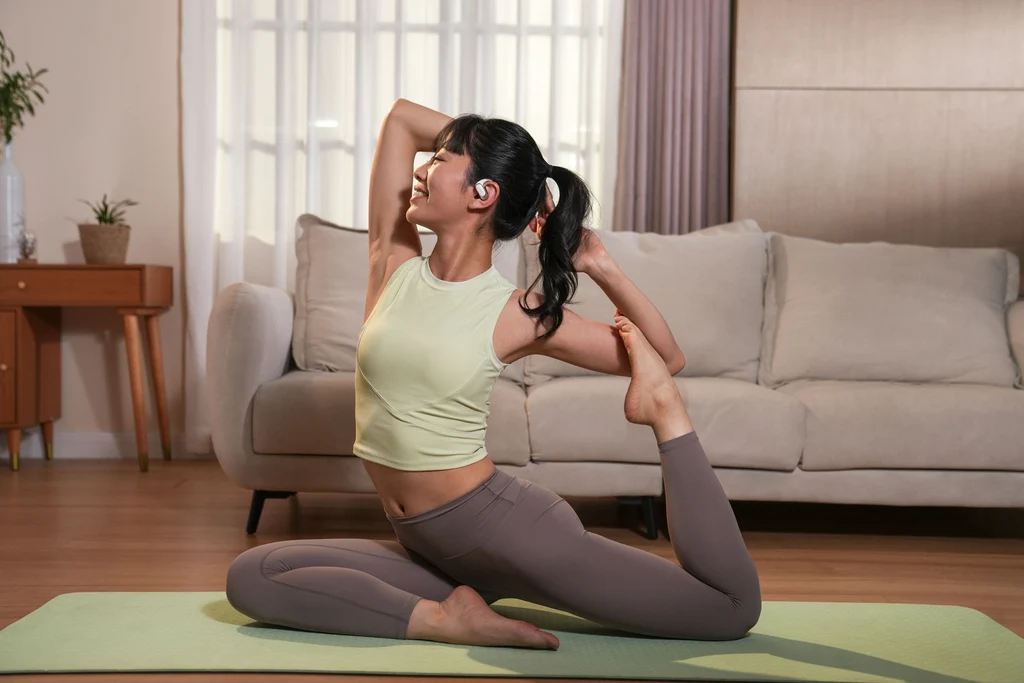
Running is one of the most effective cardiovascular exercises available, offering profound benefits for heart health, metabolic rate, and mental clarity. However, running is also a repetitive, high-impact activity that takes place strictly within the sagittal plane of movement. Mile after mile, the feet strike the ground with forces equivalent to multiple times an athlete’s body weight, placing intense repetitive strain on joints, tendons, and muscular tissues. Over time, without structured and deliberate restorative practices, runners often develop profound muscular imbalances, shortened kinetic chains, and chronic overuse injuries. Integrating yoga into a weekly training regimen serves as a physiological counterweight to these stresses, transforming recovery from a passive rest day into an active restoration process.
The Biomechanical Consequences of Repetitive Impact
Running relies heavily on linear, forward-moving movement patterns. The primary movers, including the quadriceps, hamstrings, gastrocnemius, soleus, and gluteal complexes, fire in a constant, abbreviated cycle of contraction. Because running mechanics rarely demand a full, extended range of motion from these muscle groups, the connective tissues gradually adapt by shortening.
This systemic tightening leads to several common mechanical dysfunctions:
-
Shortened Hip Flexors: Spending hours with the hips in partial flexion tilts the pelvis anteriorly, which compresses the lumbar vertebrae and inhibits proper glute activation.
-
Tight Hamstrings and Calves: Chronic tension throughout the posterior chain limits ankle dorsiflexion and shortens stride length, placing excessive mechanical load onto the Achilles tendon and plantar fascia.
-
Neglected Lateral Stabilizers: Because running is predominantly linear, the stabilizing muscles that operate in the frontal and transverse planes, such as the gluteus medius and tensor fasciae latae, remain chronically underdeveloped and weak.
-
Spinal and Thoracic Compression: The constant downward pounding of foot strikes, combined with a forward-leaning posture as fatigue sets in, compresses the intervertebral discs and stiffens the thoracic spine.
Yoga directly counters these muscular adaptations by taking the body through multi-planar, rotational movements that challenge muscles and fascia through their complete, anatomical ranges of motion.
Restoring Myofascial Elasticity and Structural Balance
Unlike conventional static stretching routines that focus on a single isolated muscle, yoga emphasizes kinetic chain integration. Poses lengthen muscle tissue while simultaneously engaging stabilizing muscle groups, creating functional mobility rather than mere passive flexibility.
-
Decompressing the Posterior Chain: Asanas such as Downward-Facing Dog, Standing Forward Fold, and Pyramid Pose systematically release tension along the entire superficial back line, stretching the plantaris, calf complex, hamstrings, and erector spinae simultaneously.
-
Opening the Psoas and Hip Complex: Postures like Low Lunge, Crescent Lunge, and Lizard Pose target the deep iliopsoas muscles, relieving anterior pelvic tilt and creating space for fluid hip extension during the running toe-off phase.
-
Strengthening Underutilized Stabilizers: Standing balance poses, including Warrior III, Tree Pose, and Half Moon Pose, recruit the intrinsic foot muscles, peroneal tendons, and the gluteus medius, creating a stable foundation that prevents knee valgus collapse during ground contact.
-
Improving Joint Synovial Circulation: Gentle, sustained holds encourage synovial fluid production within the hip capsules, knees, and ankles, providing essential lubrication that reduces internal friction and accelerates articular cartilage recovery.
Autonomic Regulation and Diaphragmatic Breathwork
Recovery does not occur strictly in the muscle fibers; it is governed by the autonomic nervous system. Hard tempo runs, interval sessions, and high-mileage long runs place the body in a prolonged sympathetic nervous state, characterized by elevated cortisol levels, increased heart rate, and heightened systemic tension.
If a runner remains in this sympathetic state post-run, tissue regeneration, cellular repair, and nutrient uptake slow down dramatically. Yoga utilizes controlled, deliberate breathwork known as pranayama to shift the nervous system away from sympathetic overdrive and into parasympathetic dominance, the classic rest and digest state. Slow, rhythmic diaphragmatic inhalations and extended exhalations stimulate the vagus nerve, which promptly drops heart rate variability markers back to restorative baselines, reduces circulating stress hormones, and encourages deep cellular repair.
How to Measure Your Home Correctly Before Ordering Bulky Furniture
Purchasing substantial home furnishings like deep sectional couches, solid hardwood dining tables, California king platform beds, or floor-to-ceiling bookshelves is a major domestic upgrade. Yet, delivery day frequently turns into an expensive, stressful ordeal when a massive piece fails to clear the front entryway, gets wedged in an interior hallway, or cannot pivot past a tight stairwell landing. Carefully and methodically measuring your home beforehand eliminates the risk of scratched woodwork, rejected delivery shipments, and frustrating return freight fees.
Assembling the Required Measuring Tools
Relying on rough visual estimates or flimsy fabric tape measures invites inaccuracies. Gathering the proper tools ensures reliable dimensions before an order is placed.
-
Heavy-Duty Steel Tape Measure: Use a locking metal tape measure with a wide, rigid blade that can extend several feet horizontally without snapping or bending under its own weight.
-
Low-Adhesion Painter Masking Tape: High-visibility, surface-safe painter tape allows you to mock up full-scale furniture silhouettes across floors and against walls without peeling finishes or leaving sticky residues.
-
Cardboard Corner Templates: Stiff sheets of flattened cardboard help verify whether the hard, non-yielding corners of tall furniture can rotate through tight vestibules.
-
Dedicated Measurement Ledger: Keep a physical notebook or a smartphone document ready to record architectural numbers immediately to avoid memory errors.
Step One: Evaluating the Final Room Placement
Assessing the target room requires more than confirming you have enough open carpet or hardwood. You must evaluate how the item interacts with the permanent elements of the space.
Begin by measuring the full width of the wall where the furniture will sit. Take this measurement along the floor against the baseboards and wall heaters rather than along open drywall, because shoe moldings, heat registers, and baseboards can reduce the usable floor length by several inches.
Maintain an open traffic pathway of 30 to 36 inches around all perimeter walking sides of the furniture. This buffer guarantees that occupants can comfortably walk past without having to turn sideways or strike their knees against protruding corners.
Note any fixed architectural and environmental obstructions. Measure the height from the floor to the bottom of window sills, wall-mounted light switches, wall outlets, thermostat monitors, and HVAC returns. A sectional back that rises higher than a low picture window or a large buffet that completely obstructs the return air vent will compromise home comfort and room usability.
Lay painter tape along the floor to outline the exact length and depth of the piece. Keep this outline on the floor for several days. Walking through the room with the outline visible confirms whether the proposed footprint disrupts your family daily walking paths or impedes the clearance swing of interior doors, patio sliders, or nearby cabinet drawers.
Step Two: Measuring Entryways and Access Points
A piece of furniture might easily fit within a large, high-ceilinged living room, yet prove completely impossible to move past the exterior doorway of the house.
Swing the primary entry door open as far as it naturally travels. Measure the narrowest interior clearance from the inside edge of the door frame to the closest protruding surface of the open door slab. Do not measure simply from frame to frame, because door hinges frequently prevent the door slab from resting completely flush with the adjoining wall, reducing access clearance by two to three inches.
Measure the total vertical height from the top surface of the floor threshold to the bottom face of the upper door frame. Note whether there is an exterior storm door with an automatic closing arm, as these mechanisms often snag packaging or upholstery.
Examine the approach path leading to the entrance. Check for steep outdoor porch stairs, tight exterior railings, low hanging porch roof eaves, and narrow walkway turns that might prevent two movers from standing side-by-side with a heavy piece.
Step Three: Navigating Hallways, Corners, and Staircases
The internal transit path from the exterior door to the target room represents the most common failure point during home deliveries. Hallways and stairwells demand careful diagonal and rotational analysis.
-
Hallway Width and Wall Obstructions: Measure hallway widths at their narrowest points, taking into account wall-mounted coat hooks, framed artwork, and decorative sconces that cannot be uninstalled easily.
-
Ninety-Degree Hallway Turns: If your transit path requires a sharp turn around an interior corner, measure diagonally from the inside corner to the opposing drywall corner. Furniture longer than the hallway width must be stood vertically on end to pivot through these turns.
-
Staircase Width and Handrails: Measure stairwells between the finished wall surface and the inner edge of the handrail. If clearance is exceptionally tight, check whether the handrail can be temporarily removed before delivery.
-
Stair Overhead Clearances: Stand on each stair step and measure directly upward to the ceiling or bulkhead above. Low angled ceilings frequently block long furniture transported on its end.
-
Intermediate Landing Depth: Measure the floor area and ceiling clearance on all stair landings. Delivery teams need adequate room to stand tall dressers upright before turning toward the next flight of stairs.
Step Four: Measuring the Target Furniture Piece
Standard online and showroom catalog listings only provide overall height, width, and depth. To evaluate whether an item can clear tight architectural turns, you must evaluate specific secondary dimensions.
Identify the diagonal depth of sofas and chairs. Measure from the highest point of the backrest diagonally down to the front edge of the armrest. If this diagonal measurement is less than your narrowest doorway clearance, movers can rotate the sofa on its side and slide it through the opening safely.
Examine whether structural components can be removed for transit. Check if couch feet can be unscrewed, table legs unbolted, or sectional clips detached. Removing four to six inches of wooden sofa legs often makes the difference between a successful delivery and a returned item.
Frequently Asked Questions
Which specific style of yoga is most beneficial for a runner immediate post-workout recovery?
Gentle restorative yoga, yin yoga, or hatha yoga using long, passive holds with props like bolsters and blocks are ideal for recovery. High-intensity, sweat-inducing practices like power vinyasa or hot yoga are counterproductive immediately after running, as they place further metabolic strain and micro-tears on already exhausted muscle fibers.
How soon after completing a hard run should someone practice recovery yoga?
Light, passive mobility work and gentle spinal alignment can be practiced within thirty to sixty minutes after a run, provided the athlete has rehydrated and cooled down. Deeper connective tissue release, such as long-hold yin yoga, is best performed several hours later or on scheduled non-running recovery days when muscles are warm but rested.
Can runners with extremely tight hamstrings still safely practice yoga poses?
Yes, runners with tight hamstrings should practice yoga by modifying poses with bent knees and supporting props. Using yoga blocks under the hands in forward folds and placing a strap around the arches of the feet prevents the lower back from rounding compensatively, ensuring safe hamstring lengthening without straining the spinal ligaments.
How do multi-story apartment elevators affect bulky furniture planning?
Apartment elevators require three distinct spatial checks: the vertical height and horizontal width of the elevator doors, the internal cab depth and width, and the diagonal clearance from the bottom threshold to the top rear ceiling corner of the elevator cab interior, which confirms whether long couches or tall headboards can stand upright during transport.
What is the difference between net product dimensions and packaged shipping dimensions?
Net product dimensions indicate the actual size of the assembled furniture item, whereas packaged shipping dimensions account for heavy corrugated shipping boxes, corner cardboard protectors, foam layers, and wooden freight skids. Shipping boxes often add three to eight inches to every dimensional axis, making it necessary to review box specifications if the item cannot be unpacked outside.
Can door hinges be temporarily removed to squeeze furniture through a tight doorway?
Yes, removing interior doors from their pin hinges is a standard moving technique that quickly adds one to two inches of usable passageway clearance by eliminating the width of the door slab. If clearance is still insufficient, unscrewing the interior doorstop molding provides additional fractions of an inch without damaging the structural frame.
How much buffer space should you leave beyond furniture dimensions when planning a room layout?
You should always allow at least three to four inches of buffer clearance beyond stated catalog dimensions. This margin accounts for factory production tolerances, thick edge piping, soft pillow puffiness, wall baseboard offsets, and the necessary hand space for delivery crews to grip and maneuver the item without pinching their hands against doorways.
