

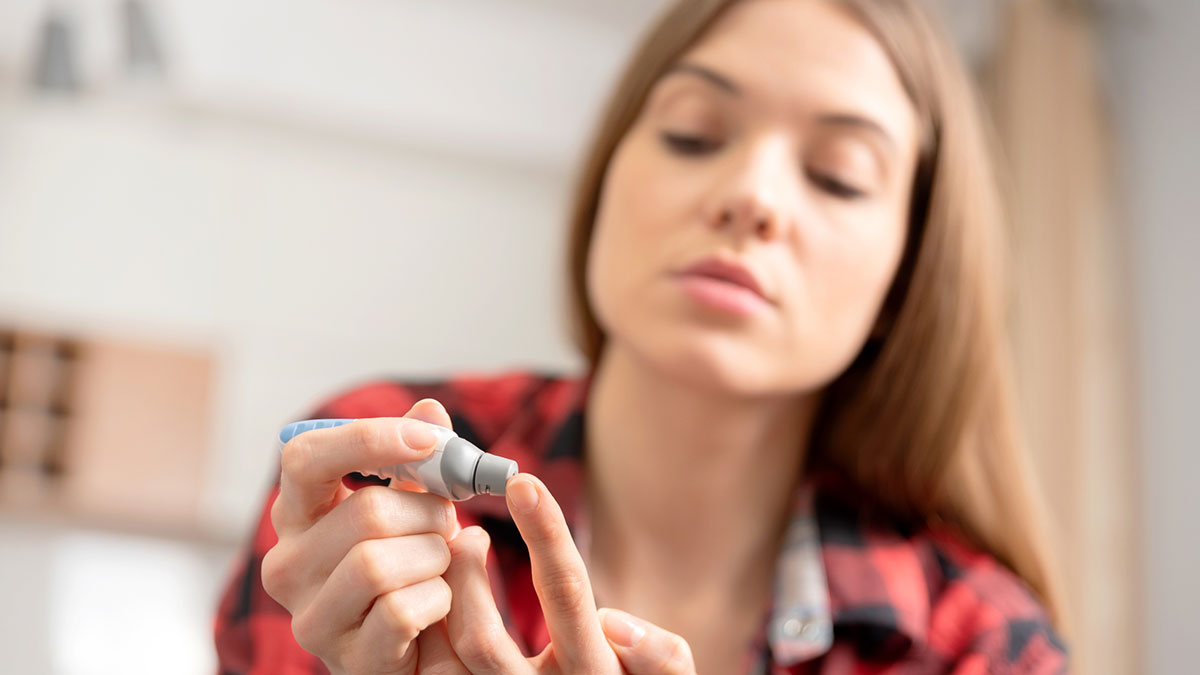
Nighttime should be a period of rest and recovery, but for people living with diabetes, it can sometimes bring unexpected health risks. One common problem is nighttime hypoglycemia, also called nocturnal hypoglycemia. This happens when blood sugar levels drop too low while sleeping.
Low blood sugar during the night can be dangerous because many people do not realize it is happening. Understanding the warning signs and knowing how to manage them can help prevent serious complications and improve sleep quality.
What Is Nighttime Hypoglycemia?
Hypoglycemia means low blood sugar. It usually happens when blood sugar falls below normal levels. During the night, this condition may occur because of:
- Taking too much insulin
- Skipping dinner or bedtime snacks
- Exercising heavily in the evening
- Drinking alcohol before bed
- Delayed meals
People with Type 1 Diabetes and those using insulin are more likely to experience nighttime hypoglycemia, but it can also happen in Type 2 Diabetes.
Common Signs of Hypoglycemia at Night
Since a person is asleep, recognizing low blood sugar during the night can be difficult. However, the body often gives warning signs.
Excessive Sweating
One of the most common signs is waking up drenched in sweat. Even if the room is cool, the body may sweat heavily when blood sugar drops suddenly.
Sometimes, bedsheets and clothes may feel damp or uncomfortable in the morning.
Sudden Nightmares or Disturbed Sleep
Low blood sugar can affect brain activity during sleep. This may cause:
- Strange dreams
- Nightmares
- Restless sleep
- Sudden waking with fear or confusion
People may not connect these sleep disturbances to blood sugar problems at first.
Shaking or Fast Heartbeat
Some individuals wake up feeling shaky, anxious, or with a racing heartbeat. The symptoms of hypoglycemia happens because the body releases stress hormones when sugar levels become too low.
The feeling may resemble panic or nervousness.
Morning Headaches
Waking up with a headache can sometimes be a sign that blood sugar dropped overnight. When the brain does not get enough glucose, it can lead to discomfort and fatigue in the morning.
Frequent morning headaches should not be ignored.
Extreme Tiredness After Waking Up
Even after a full night’s sleep, a person may feel exhausted, weak, or mentally slow. Nighttime hypoglycemia can interrupt deep sleep and reduce overall sleep quality.
This tiredness may continue throughout the day.
Confusion or Difficulty Concentrating
Low blood sugar affects brain function. Some people wake up feeling confused, dizzy, or unable to think clearly.
Children may appear unusually irritable or sleepy in the morning if they experienced nighttime hypoglycemia.
Why Nighttime Hypoglycemia Can Be Dangerous
Mild hypoglycemia can usually be treated quickly, but severe nighttime hypoglycemia may become serious if left untreated.
In rare cases, very low blood sugar can cause:
- Seizures
- Loss of consciousness
- Difficulty waking up
- Medical emergencies
That is why prevention and monitoring are extremely important.
How to Prevent Nighttime Hypoglycemia
The good news is that simple habits can reduce the risk of low blood sugar during sleep.
Check Blood Sugar Before Bed
Monitoring blood sugar before sleeping helps identify whether levels are too low. If needed, a small healthy snack may help keep sugar stable overnight.
Avoid Skipping Meals
Eating dinner on time is important, especially for people taking insulin or diabetes medication.
Skipping meals increases the risk of blood sugar dropping during the night.
Be Careful with Evening Exercise
Exercise is healthy, but intense physical activity late in the evening may lower blood sugar hours later.
It is helpful to check sugar levels after workouts and discuss exercise routines with a doctor.
Use Continuous Glucose Monitoring (CGM)
Many people now use continuous glucose monitors that alert them when blood sugar becomes too low. These devices can provide extra safety during sleep.
Talk to Your Doctor
If nighttime hypoglycemia happens often, medication or insulin doses may need adjustment. Never change doses without medical advice.
Final Thoughts
Nighttime hypoglycemia can be frightening, but understanding the signs helps people respond quickly and stay safe. Sweating, nightmares, headaches, shaking, and unusual tiredness may all be signals that blood sugar is dropping during sleep.
With proper monitoring, healthy routines, and medical guidance, nighttime hypoglycemia can be managed effectively. Paying attention to these warning signs can protect both health and peace of mind.
