

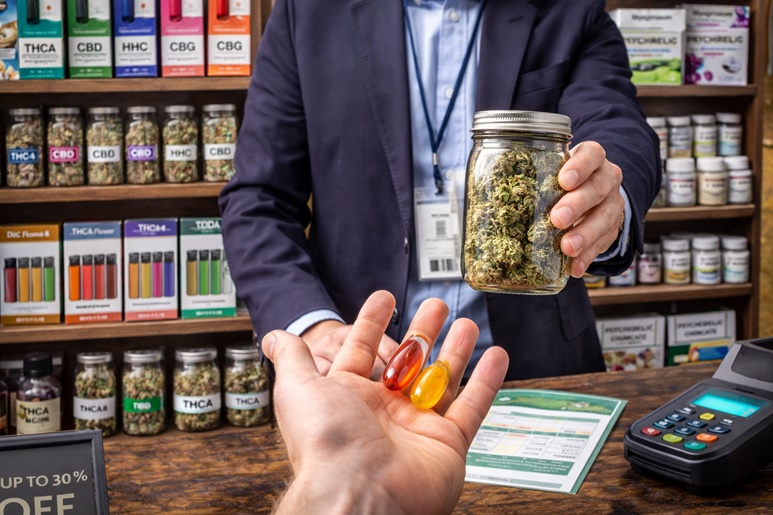
The legal hemp market has grown from a niche curiosity into a multi-billion-dollar industry that retail entrepreneurs can no longer afford to ignore. From convenience stores and smoke shops to boutique wellness retailers, businesses across the country are discovering that hemp-derived cannabinoid products deliver high margins, strong repeat purchase rates, and a rapidly expanding customer base. If you are considering adding hemp products to your retail inventory, this guide covers everything you need to know to get started successfully.
Understanding the Product Landscape
Before stocking your shelves, familiarize yourself with the major product categories driving consumer demand. Delta 8 THC products remain the cornerstone of the legal hemp market, prized for their mild, calming high and broad appeal. THCA flower and concentrates attract experienced consumers seeking potent, full-spectrum effects. Mushroom products represent the fastest-growing emerging category, appealing to wellness-focused customers interested in adaptogens and nootropics.
Beyond these anchors, HHC products, Delta 9 edibles and drinks, and CBD wellness products round out a comprehensive hemp inventory. Successful retailers stock across multiple categories to capture different customer segments and maximize basket size.
Compliance: The Non-Negotiable Foundation
Every product you stock must comply with both federal and state regulations. At the federal level, all hemp products must contain less than 0.3 percent Delta-9 THC by dry weight. Beyond this baseline, state laws vary significantly. Some states have banned specific cannabinoids like Delta-8, while others impose additional testing, labeling, or licensing requirements. Before placing your first order, consult with a hemp-knowledgeable attorney in your state and develop a compliance checklist covering product eligibility, age verification protocols, and labeling requirements.
Choosing the Right Wholesale Partner
Your wholesale supplier is the most critical business relationship in your hemp retail operation. The right partner provides consistently high-quality products, reliable inventory, competitive pricing, and marketing support. Evaluate potential suppliers on the following criteria: comprehensive third-party lab testing for every product batch, transparent COAs accessible to both retailers and end consumers, diverse product selection across multiple cannabinoid categories, flexible minimum order quantities for new retailers, and responsive customer service. Established hemp wholesale programs also provide display materials, product samples, and dedicated sales representatives who help you optimize your product mix.
Merchandising Strategies That Drive Sales
Product placement and education are the two biggest drivers of hemp retail success. Position your highest-margin products at eye level and near the point of sale. Create clear signage explaining different cannabinoids and their effects, as consumer education directly translates to purchase confidence. Organize products by use case rather than just by cannabinoid type. Group sleep products together, energy products together, and pain relief products together. This approach helps customers find what they need quickly and encourages cross-category exploration.
Staff training is equally important. Your team should understand the basic differences between cannabinoids, be able to explain product formats like gummies versus vapes versus flower, and know how to direct customers to lab reports. An educated staff builds trust, reduces returns, and increases average transaction value.
Pricing and Margin Benchmarks
Hemp-derived cannabinoid products typically command retail margins between 50 and 100 percent, depending on the product category and your wholesale pricing. Edibles and gummies generally offer the highest margins, while flower products have tighter margins due to competition. Volume-based wholesale pricing tiers reward retailers who commit to larger orders, so build your initial order around proven best-sellers and expand into specialty products as you learn your customer base.
Marketing Your Hemp Retail Business
Digital marketing for hemp products faces restrictions on major advertising platforms, making organic strategies essential. Build a strong Google Business Profile, encourage customer reviews, and invest in local SEO. In-store events like product education sessions and brand demo days generate foot traffic and community engagement. Loyalty programs with repeat purchase incentives build long-term customer relationships and predictable revenue.
Getting Started
The hemp retail opportunity is significant and growing, but success requires the right foundation of compliance, quality products, and consumer education. Start by partnering with a reputable wholesale supplier who can provide the product quality, testing transparency, and retail support you need to build customer trust from day one. Explore wholesale partnership opportunities to learn about flexible shipping options, competitive pricing, and the comprehensive product selection that has made established brands a preferred supplier for retailers nationwide.
