

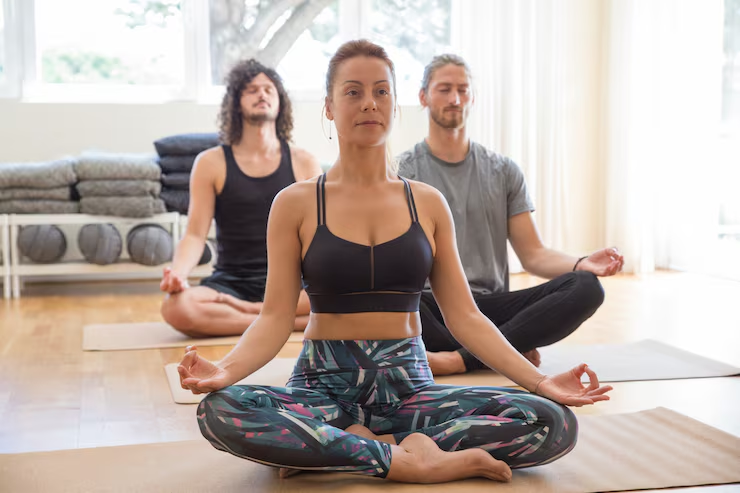
Living and working in Singapore often means long hours at a desk, frequent phone use, daily commuting, and very little time spent moving with intention. Over time, these habits quietly place stress on the spine. Back pain becomes normalised, stiffness is ignored, and posture slowly deteriorates. This is where private yoga classes singapore offer a powerful and practical solution, especially for people who want targeted, long-term relief rather than generic stretches.
Unlike group sessions, private yoga focuses on your actual movement patterns, lifestyle demands, and pain triggers. When back pain is involved, this personalised approach is not just helpful, it is essential.
Why Back Pain Needs a Personalised Yoga Approach
Back pain rarely has a single cause. In Singapore’s urban lifestyle, it usually develops from a combination of factors such as prolonged sitting, weak core muscles, limited hip mobility, poor breathing patterns, and stress-driven tension. Group yoga classes cannot fully address these layers because they are designed for general movement, not individual biomechanics.
Private yoga sessions allow the instructor to observe how your spine moves in daily life, not just how you look in a pose. Small compensations like favouring one side, collapsing into the lower back, or holding tension in the shoulders can be identified early and corrected safely.
A personalised yoga plan can address:
-
Chronic lower back tightness from desk work
-
Upper back and neck strain from screen use
-
Postural imbalances caused by one-sided habits
-
Weak spinal stabilisers that increase injury risk
-
Stress-related muscle guarding and shallow breathing
By focusing on how your spine functions as a whole system, private yoga builds sustainable habits rather than temporary relief.
Understanding Spine Health Beyond Stretching
Many people assume back pain improves simply by stretching more. In reality, excessive stretching without strength and control often makes the problem worse. A healthy spine needs stability, mobility, and coordination working together.
In private yoga sessions, spinal health is approached through:
-
Controlled mobility rather than aggressive flexibility
-
Strengthening deep core and back muscles
-
Training awareness of spinal alignment in real-life positions
-
Improving breath mechanics to reduce spinal compression
This approach helps retrain the nervous system so your body stops defaulting to pain-inducing patterns.
How Private Yoga Builds Stronger Spine Habits
Postural Awareness in Daily Life
One of the biggest advantages of private yoga is posture training outside the mat. You are guided on how to sit, stand, walk, and even sleep in ways that support spinal health. These cues are personalised based on your body proportions, work setup, and daily routines.
You may work on:
-
Neutral spine awareness while sitting at a desk
-
Shoulder and neck positioning during phone use
-
Standing posture during long commutes
-
Simple resets you can do between meetings
These habits create lasting improvement without requiring extra workout time.
Strengthening the Core Without Strain
Core strength is often misunderstood as doing endless crunches or planks. In private yoga, the focus is on deep stabilising muscles that protect the spine during everyday movements.
Sessions may include:
-
Gentle activation of deep abdominal muscles
-
Controlled transitions that build spinal support
-
Low-load strength work that avoids flare-ups
-
Coordinated movement between hips and spine
This reduces pressure on the lower back and improves overall movement efficiency.
Restoring Natural Spine Mobility
Spinal stiffness can develop from fear of movement or long-term guarding around pain. Private yoga restores mobility gradually, without forcing ranges that your body is not ready for.
You will explore:
-
Segmental spinal movement
-
Safe rotation and extension patterns
-
Hip mobility to reduce spinal compensation
-
Movement pacing that rebuilds confidence
Over time, this restores trust in your body’s ability to move without pain.
Managing Back Pain in Singapore’s Work Culture
Singapore’s fast-paced work environment often encourages people to push through discomfort. Private yoga offers a structured way to counterbalance this pressure with intentional movement and recovery.
Desk and Screen-Related Back Pain
Many back issues stem from prolonged sitting combined with mental stress. Private sessions can integrate short movement routines designed specifically for office settings.
These may include:
-
Micro-movements for spine decompression
-
Breathing techniques to reduce muscle tension
-
Shoulder and neck resets during work breaks
-
Simple mobility drills that fit into a busy schedule
These tools are realistic and easy to maintain.
Stress and Its Impact on the Spine
Stress has a direct physical impact on spinal health. When stress levels rise, muscles around the spine tighten, breathing becomes shallow, and posture collapses. Private yoga addresses this mind-body connection directly.
Through breath-led movement and guided relaxation, sessions help:
-
Reduce nervous system overload
-
Improve oxygen flow to spinal tissues
-
Release habitual tension patterns
-
Improve sleep quality, which supports recovery
This holistic approach is especially valuable for professionals experiencing burnout-related pain.
Adapting Yoga for Different Types of Back Pain
Not all back pain is the same. Private yoga allows sessions to adapt based on your specific condition, history, and tolerance.
Chronic Lower Back Pain
For ongoing lower back discomfort, sessions focus on stability, controlled movement, and gradual strength building rather than deep stretches.
Upper Back and Neck Tension
For desk-related upper back pain, emphasis is placed on shoulder mobility, thoracic spine movement, and postural retraining.
Post-Injury or Flare-Up Recovery
Private yoga can be adjusted during flare-ups, focusing on pain-free movement, breathing, and gentle activation to support healing without regression.
Long-Term Benefits of One-to-One Yoga for Spine Health
Private yoga is not a quick fix. Its real value lies in creating long-term resilience and independence.
Consistent practice can lead to:
-
Reduced frequency and intensity of back pain
-
Improved posture without conscious effort
-
Better movement confidence in daily activities
-
Lower risk of future injuries
-
Greater body awareness and self-management skills
This makes private yoga a sustainable investment in long-term wellbeing.
Choosing the Right Environment for Private Yoga
The environment and teaching approach matter greatly when addressing back pain. A calm, supportive space combined with attentive instruction allows your body to relax and respond positively to movement.
At Yoga Edition, one-to-one sessions are designed to respect individual needs, movement history, and comfort levels. This personalised setting allows progress at your own pace, without comparison or pressure.
Integrating Private Yoga Into a Busy Singapore Lifestyle
One of the most common concerns is time. Private yoga sessions are flexible and can be structured to fit into demanding schedules.
Options often include:
-
Shorter focused sessions for busy weeks
-
Targeted programs for specific pain issues
-
Flexible scheduling to match work commitments
-
Home-based or studio-based sessions
This adaptability makes consistency easier, which is key to long-term results.
FAQs
Q: How often should I do private yoga for back pain?
A: Most people benefit from one to two sessions per week initially. As pain reduces and movement improves, sessions can be spaced out while maintaining home practices.
Q: Can private yoga help if I already do gym workouts?
A: Yes. Private yoga complements strength training by improving mobility, posture, and recovery. It can also correct movement patterns that may be contributing to back pain during workouts.
Q: Is private yoga suitable if I have been inactive for a long time?
A: Absolutely. Sessions are adapted to your current ability and comfort level. Movements start gently and progress only when your body is ready.
Q: Will I need to be flexible to start private yoga?
A: No. Flexibility is not a requirement. The focus is on functional movement, stability, and pain-free range rather than achieving advanced poses.
Q: Can private yoga help prevent future back injuries?
A: Yes. By improving posture, strength, and movement awareness, private yoga reduces the likelihood of recurring back issues and supports long-term spine health.
