

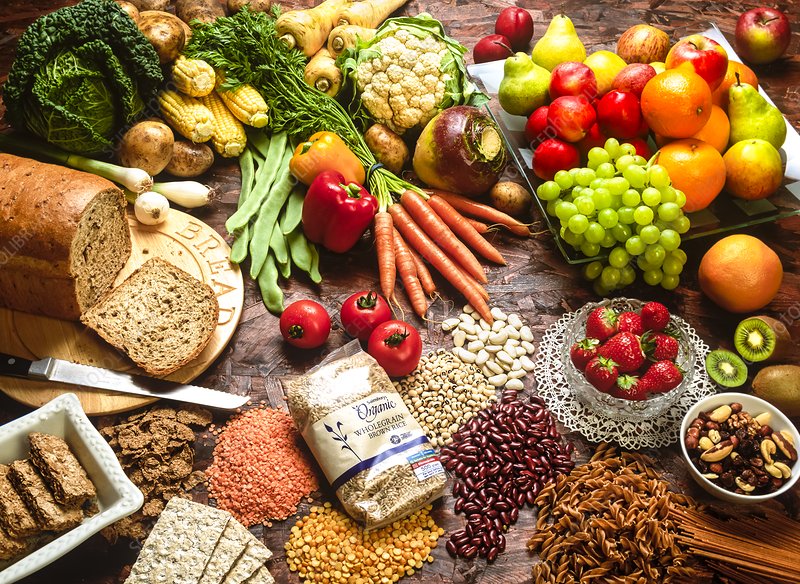
A healthy diet is one of the strongest foundations for long-term wellness. It influences energy levels, mood, immunity, weight balance, and overall vitality. Building a nourishing eating pattern is not about strict rules but about making informed choices that support your body’s needs.
What Is a Healthy Diet?
A healthy diet provides the essential nutrients—vitamins, minerals, proteins, carbohydrates, and healthy fats—required for optimal bodily function. It encourages whole, minimally processed foods that offer maximum nutrition.
Core Principles of a Balanced Diet
1. Choose Whole Foods Whenever Possible
Whole foods deliver natural nutrients without added chemicals or excessive sugars. Include a variety of:
-
Fruits and vegetables
-
Whole grains such as millet, oats, and brown rice
-
Lean proteins including poultry, legumes, tofu, and fish
-
Healthy fats from nuts, seeds, avocados, and olive oil
2. Limit Processed and Ultra-Processed Foods
Processed foods often contain high levels of sodium, sugar, unhealthy fats, and preservatives. Reducing intake lowers your risk of chronic diseases such as diabetes and heart disease.
Understanding Macronutrients
Carbohydrates
Carbohydrates fuel your brain and muscles. The best sources include:
-
Whole grains
-
Vegetables
-
Beans
-
Sweet potatoes
Proteins
Protein helps repair tissues, build muscle, and support the immune system. Good sources are:
-
Lean meats
-
Eggs
-
Lentils
-
Dairy products like Greek yogurt
Healthy Fats
Healthy fats support hormone production and brain health. Choose:
-
Olive oil
-
Chia seeds
-
Fatty fish like salmon
-
Nuts and seeds
How to Build a Balanced Meal
Ideal Plate Structure
A balanced plate generally includes:
-
Half vegetables and fruits
-
One-quarter lean protein
-
One-quarter whole grains
-
A small portion of healthy fats
This simple framework ensures nutrient diversity and keeps energy levels steady.
The Importance of Hydration
Water supports digestion, metabolism, nutrient absorption, and temperature regulation. Most adults benefit from 6–8 glasses of water daily, with increased intake during exercise or warm weather.
Smart Eating Habits for Everyday Life
Practice Mindful Eating
Mindful eating helps you develop awareness around hunger and fullness cues. Try:
-
Eating slowly
-
Avoiding distractions like screens
-
Paying attention to flavors and textures
Be Conscious of Portions
Even nutritious foods can contribute to weight gain if eaten in excess. Using smaller dishes and measuring servings occasionally helps maintain balance.
Planning for Long-Term Success
Meal Prepping
Preparing meals in advance makes healthy eating more accessible. Benefits include:
-
Reduced temptation to choose fast food
-
Better control over ingredients
-
More efficient grocery budgeting
Allow Flexibility
A sustainable diet allows occasional indulgences. The goal is consistency, not perfection, making your eating pattern realistic and enjoyable.
Common Diet Mistakes to Avoid
-
Skipping meals
-
Eating too fast
-
Overreliance on “low-fat” or “diet” processed foods
-
Drinking sugary beverages frequently
-
Neglecting fruits and vegetables
Conclusion
A healthy diet is a lifelong commitment to nourishing your body with the right balance of nutrients. By prioritizing whole foods, staying hydrated, practicing mindful habits, and planning smartly, you can build a sustainable lifestyle that supports long-term health and well-being.
Frequently Asked Questions (FAQ)
1. Is it okay to eat carbohydrates while dieting?
Yes, complex carbohydrates are essential for energy and can support weight management when consumed in proper portions.
2. How do I avoid overeating at night?
Ensure balanced daytime meals, stay hydrated, and create an evening routine that doesn’t revolve around snacking.
3. Are smoothies healthy?
They can be nutritious when made with whole fruits, vegetables, and protein sources, but avoid added sugars.
4. How much protein do I really need?
Most adults need around 0.8–1.2 grams of protein per kilogram of body weight, depending on activity level.
5. What is the healthiest cooking method?
Steaming, grilling, baking, and sautéing with minimal oil help preserve nutrients.
6. Do I need to quit sugar completely?
Total elimination isn’t required; instead, focus on reducing added sugars and choosing natural sources like fruits.
7. How can I transition to a healthier diet without feeling overwhelmed?
Start small—add one extra serving of vegetables, drink more water, or replace one processed snack with a whole-food option.
