

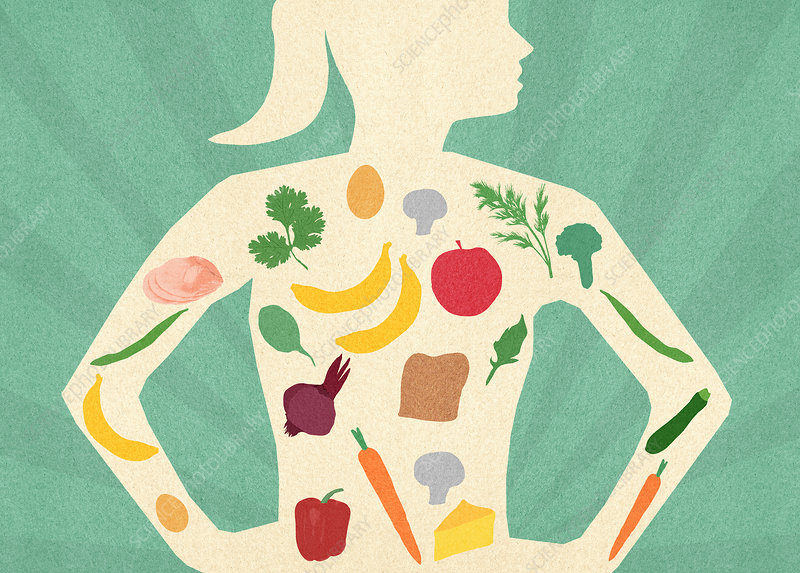
A healthy body is the core of a vibrant, active, and fulfilling life. It influences your energy, mindset, immunity, and overall performance. Achieving good health is not about extreme routines; it’s about sustainable habits that support the body’s natural processes.
What Does a Healthy Body Truly Mean?
A healthy body is a state where all systems function efficiently—muscles, heart, brain, digestion, and immunity. It reflects a balance between nourishment, movement, rest, and emotional well-being. When you fuel your body wisely and care for it consistently, it becomes stronger, more resilient, and better equipped to handle stress.
Core Elements of a Healthy Body
1. Balanced Nutrition
Food is the body’s fuel. Nutritious meals support growth, repair tissues, stabilize energy, and protect against diseases.
Key Components of a Healthy Diet
-
Lean proteins for muscle maintenance
-
Healthy fats to support brain and hormone health
-
Complex carbohydrates for long-lasting energy
-
Fruits and vegetables rich in vitamins and antioxidants
-
Adequate hydration to regulate temperature and digestion
-
Fiber-rich foods to improve gut function
Practical Eating Tips
-
Fill half your plate with vegetables
-
Choose whole, minimally processed foods
-
Avoid excessive sugar and trans fats
-
Pay attention to portion sizes
2. Regular Physical Activity
Movement keeps your body strong, flexible, and energized. It boosts heart health, strengthens bones, and improves metabolic function.
Effective Types of Exercise
-
Cardio workouts like brisk walking, running, or cycling
-
Strength training to build muscle and support joints
-
Flexibility exercises such as yoga or stretching
-
Balance training to prevent injuries
Aim for at least 150 minutes of moderate activity weekly.
3. Quality Sleep
Rest is essential for healing, memory, hormone balance, and mental clarity. Adults typically need 7–9 hours of quality sleep.
Ways to Improve Your Sleep
-
Keep a consistent sleep schedule
-
Avoid screens before bedtime
-
Maintain a cool, dark room environment
-
Limit caffeine late in the day
4. Mental and Emotional Wellness
A healthy body depends on a healthy mind. Stress, anxiety, and emotional imbalance can affect digestion, immunity, and sleep.
Practices for Mental Wellness
-
Deep breathing and meditation
-
Social connection with supportive people
-
Journaling thoughts and emotions
-
Regular breaks to prevent burnout
5. Preventive Health Care
Routine checks help detect issues early and keep your body functioning at its best.
Important Preventive Measures
-
Annual medical checkups
-
Monitoring blood pressure and cholesterol
-
Staying up-to-date with vaccinations
-
Maintaining healthy body weight
Building Long-Term Healthy Habits
Creating a healthy lifestyle doesn’t require perfection; it requires consistency. Start small and choose habits you can maintain.
Simple Steps to Start Today
-
Drink more water throughout the day
-
Add an extra serving of vegetables to meals
-
Stretch for 5–10 minutes daily
-
Replace sugary snacks with nuts or fruit
-
Take short walks after meals
These small steps compound into significant improvements over time.
FAQs
1. How can I start living a healthier lifestyle if I’m a beginner?
Begin with small, manageable changes like drinking more water, walking daily, and choosing whole foods.
2. How important is breakfast for maintaining a healthy body?
Breakfast helps stabilize blood sugar and boosts morning energy, but its importance varies by individual.
3. How much water should I drink each day?
Most adults should aim for 7–8 glasses, but needs depend on activity level and climate.
4. Can exercise alone keep my body healthy without a good diet?
No—exercise and nutrition work together. A healthy body needs both movement and proper fuel.
5. How do I stay motivated to maintain healthy habits?
Set realistic goals, track progress, and celebrate small achievements.
6. What role does stress play in physical health?
Chronic stress affects immunity, digestion, sleep, and heart health, making stress management essential.
7. How do I know if my body is healthy?
Consistent energy, good digestion, quality sleep, stable mood, and minimal pain often signal good health.
