

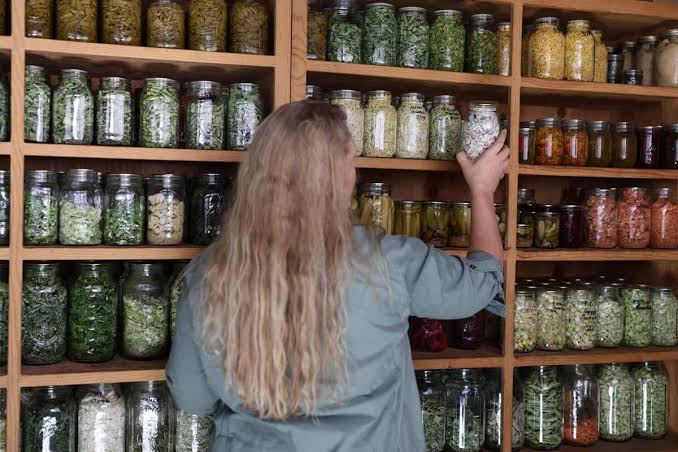
Preparing a long-term food supply often brings to mind large quantities of grains, canned vegetables, dried beans, and other staple foods. These items are important, but a useful storage plan also needs ingredients that can support everyday meals. Including familiar pantry essentials can make an emergency food supply more practical, flexible, and easier to use.
Think Beyond Survival Foods
Keeping food unopened for years is not always the goal of long-term food storage. Building a supply that can be used for a variety of situations, such as unforeseen disruptions, extreme weather, supply shortages, or brief financial restraints, is a superior strategy.
Particularly helpful are simple foods that can be added to everyday meals. Households can keep a variety of adaptable staples that work in breakfast recipes, baked goods, soups, sauces, and other familiar foods rather of depending solely on specialized emergency meals.
Why Familiar Ingredients Matter
In an emergency, dietary choices do not change. In fact, when daily patterns have been disturbed, meals might feel more normal when familiar flavors and ingredients are used.
A good example is milk. In homes, it is frequently used for baking, cooking, drinking, and making breakfast. When fresh dairy is unavailable or refrigeration is limited, a powdered substitute can offer more flexibility.
Shelf-stable powdered milk is one way for homes developing a longer-term supply to have a familiar staple on hand without relying solely on refrigerated storage.
Consider How Ingredients Will Be Used
Consider the meals your home already makes before buying food for long-term storage. When a substance has several applications, its value increases.
For instance, powdered milk can be added to oatmeal, pancakes, breads, mashed potatoes, creamy soups, and other baked goods. A food supply can avoid becoming unduly reliant on a limited range of meals by using foods that have multiple potential uses.
This also holds true for other basics. When stored properly, rice, beans, flour, oats, veggies, and seasonings can all be used in many dishes.
Balance Variety With Practicality
It’s not necessary to have every food possible in a long-term pantry. An excessive amount of variety might complicate storage and lead to product forgetfulness.
Rather, think about focusing on a core set of complementary ingredients. Grains, legumes, dried fruits and vegetables, cooking ingredients, and shelf-stable dairy substitutes can all be combined in a household. As a result, there are more chances to produce various meals from a comparatively reasonable selection.
Variety is still crucial, especially when a household’s food supply may need to last for a long time. Versatility, however, can be more beneficial than merely acquiring a large number of distinct items.
Pay Attention to Storage Conditions
Proper handling is crucial for long-term food storage. Even items intended for long-term storage should be stored in accordance with the manufacturer’s guidelines.
Over time, food quality can be impacted by temperature, moisture, light, and packaging. As a result, storage spaces should be dry, clean, and appropriate for preserving the goods being kept there.
Organizing supplies makes it easier to keep an eye on best-by or expiration dates. Households can be encouraged to use older products first and replace them as needed by using a straightforward rotation system.
Build a Supply Gradually
It’s not necessary to make a single, big purchase to build a long-term pantry. The procedure can be made more manageable both practically and monetarily by building supplies progressively.
Start with staples that are often used and progressively add more. Before committing to greater quantities, this strategy also offers the opportunity to find out which items the household truly enjoys using.
It might be particularly helpful to try substances under regular conditions. Before an emergency arises, it enables people to try out recipes, comprehend preparation needs, and find useful applications.
Store Food With Real Life in Mind
The needs of the people who will actually use the food should be reflected in a well-planned supply. Take into account storage space, water availability, cooking equipment, dietary preferences, and the kinds of meals that are practical to prepare.
The cupboard with the most food may not always be the most handy. When regular supermarket access is disrupted, it is the one with ingredients that can cooperate, stay manageable to store, and offer worthwhile selections.
Conclusion
When regular ingredients are used instead of just emergency-specific meals, long-term food storage becomes more feasible. Staples that are well-known can offer flexibility and facilitate food preparation under various conditions.
Households can construct a pantry for everyday usage and preparedness by combining adaptable items, proper storage techniques, and progressive planning. As a result, there is a food supply that is useful in situations where regular grocery shopping is challenging, rather than just sitting on a shelf.
