

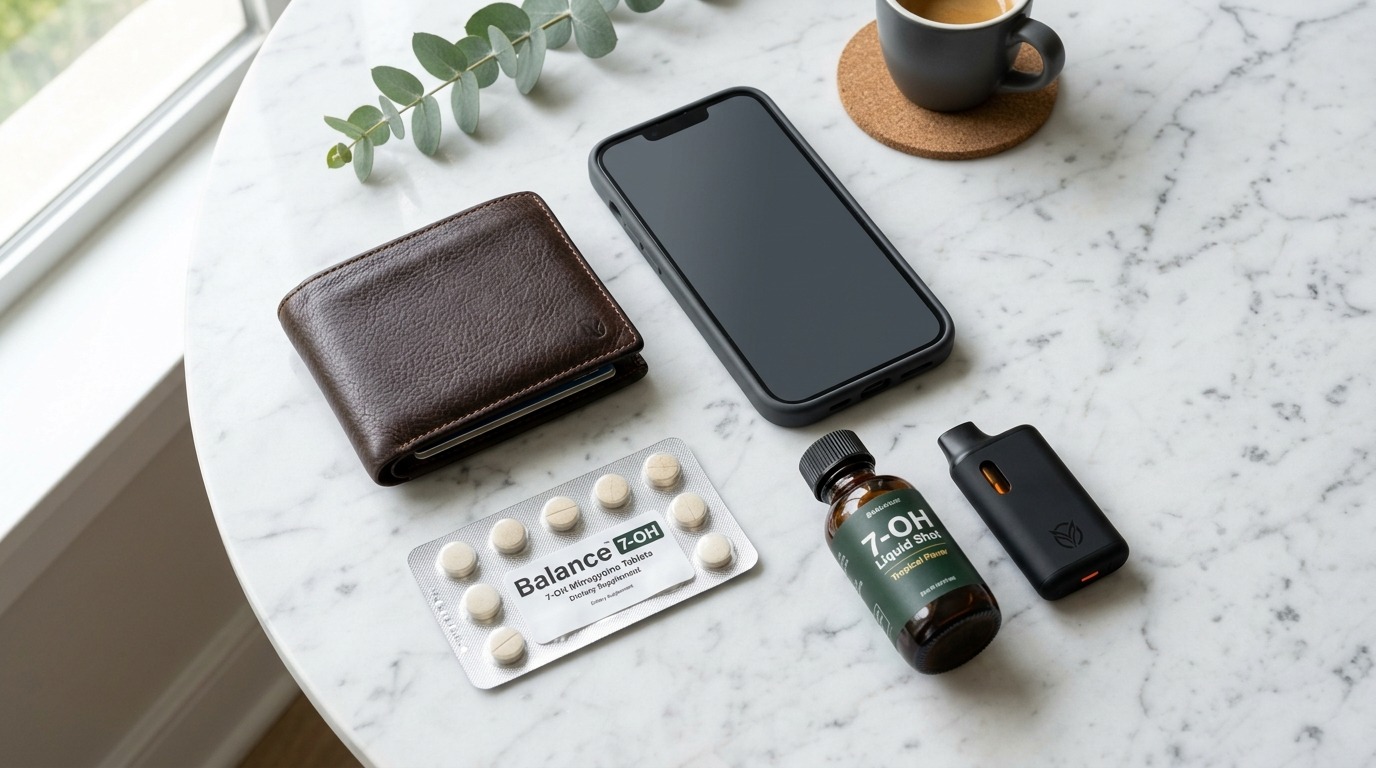
Kratom has lived in the wellness conversation for years, and for most of that time the standard purchase was a bag of loose green powder. That picture is shifting. A new category, 7-hydroxymitragynine tablets, has moved to the front of the shelf and changed how people think about kratom alkaloids. The question buyers keep asking is simple. Should you stick with classic powder, or move to 7-OH tablets that promise consistent strength in a small, easy format? This guide walks through the real differences in potency, taste, dosing, cost, and shelf life so you can pick the option that fits your routine.
What Sets 7-OH Tablets Apart From Kratom Powder?
Traditional kratom powder is the ground leaf of the Mitragyna speciosa tree. It contains dozens of alkaloids, with mitragynine acting as the headline compound. The leaf is dried, milled, and bagged. 7Stax 7OH tablets take a different route. They concentrate a specific metabolite of mitragynine called 7-hydroxymitragynine, then press the isolated material into uniform tablets at known milligram strengths.
The practical impact is large. A scoop of powder might contain anywhere between a tiny fraction and several milligrams of 7-OH, depending on the harvest, the strain, and the curing process. A pressed tablet, by contrast, tells you exactly how much 7-OH you are getting. For people who care about repeatable experiences, that single difference is enough to make the switch.
Potency and Onset Time Compared
Loose powder requires a fairly large serving by weight, often between two and six grams, before users feel noticeable effects. The onset can stretch past forty minutes because the active compounds need to clear digestion and be metabolized into 7-OH before they reach the brain.
Tablets skip part of that journey. Because the active alkaloid is already isolated, lower milligram counts can produce strong, faster-acting results. Many users report a smoother onset within fifteen to thirty minutes. That speed matters if your routine has a tight window, such as right before a long workday or a creative session.
Taste, Mess, and Daily Convenience
Anyone who has tried raw kratom powder knows the flavor is bitter and earthy. The toss-and-wash method is messy. The tea method takes time. Capsules help, but you still need a lot of them to match a single tablet.
Tablets remove all of that friction. They are small, swallowable, and travel well. No measuring spoons, no green dust on your countertop, and no stained tongue. People who used to skip doses because of taste issues often stay consistent once they switch to tablets.
Cost Per Serving and Long-Term Value
On a sticker-price basis, a bag of powder looks cheaper than a bottle of tablets. The real math is different. Once you factor in how much powder it takes to get a comparable 7-OH dose, the price per effective serving often favors tablets. Bulk packs, like the 40,000mg 500-count option from 7Stax, drop the per-tablet cost even further and remove the need for repeat orders.
Shelf life also matters. Powder begins to lose potency once exposed to light, heat, and air. Pressed tablets in sealed bottles hold their strength longer, which protects your investment if you buy in volume.
Safety, Lab Testing, and Buyer Confidence
Lab testing is where the gap between formats becomes obvious. Reputable tablet brands publish full panels covering alkaloid content, heavy metals, microbials, and residual solvents. The dose printed on the bottle matches what you actually swallow.
Loose powder is harder to verify. Even when a vendor shares a certificate of analysis, the alkaloid profile can vary across batches. If accuracy and clean sourcing rank high on your list, lab-tested 7-OH tablets remain the safer pick.
Who Should Pick Which Format?
Powder still has a place. Long-time users who enjoy brewing tea, who like adjusting strain blends, or who use kratom for traditional rituals may prefer the classic format. The ceremony itself is part of the experience for them.
Most modern users, however, want speed, accuracy, and zero mess. For them, a bottle of premium 7-OH tablets is the smarter pick. The dosing math is done, the taste issue is gone, and the bottle fits in a pocket.
What Real Users Say After the Switch?
Reading customer reviews across the category turns up a consistent pattern. Long-time powder users describe the switch to tablets as one of the easiest upgrades they have made. The most frequent comments mention the elimination of measuring cups, the reduction of green stains on countertops, and the ability to take a tablet quickly during a busy morning. The feedback is rarely about the strength alone. It is about the friction tablets remove from everyday use.
Users who keep both formats on hand often mention they still respect the tradition of powder, but the practical benefits of tablets keep them as the daily option. Tablets win the rotation by quietly being more convenient day after day.
Common Mistakes to Avoid During the Transition
If you are moving from powder to tablets, do not assume a 1-to-1 equivalence between scoop sizes and milligram counts. Start lower than you think, especially because the active 7-OH content in a tablet is significantly more concentrated than in a typical powder scoop. Take notes during the first week so you know exactly which strength suits your routine before you scale up.
Another common mistake is comparing prices on a per-bottle basis only. Tablets cost more per bottle than a bag of powder, but the cost per effective session usually favors tablets once you factor in concentration and shelf life. Run the math honestly and the format that wins on paper is the same one that wins in daily life.
Final Verdict
Both formats can work, and the right answer depends on lifestyle. If you value tradition, ritual, and the flexibility to blend strains, powder remains a fine option. If you want predictable strength, fast onset, and easy daily use, pressed 7-OH tablets win the comparison on almost every meaningful axis. Match the format to how you actually live, and the rest takes care of itself.
Key Takeaways and Smart Buyer Habits
Smart buyers treat every purchase as part of a longer journey rather than a single transaction. The brand you pick today shapes the routines, expectations, and habits you carry into next year. Take the time to verify the small details and the larger experience falls into place naturally.
