

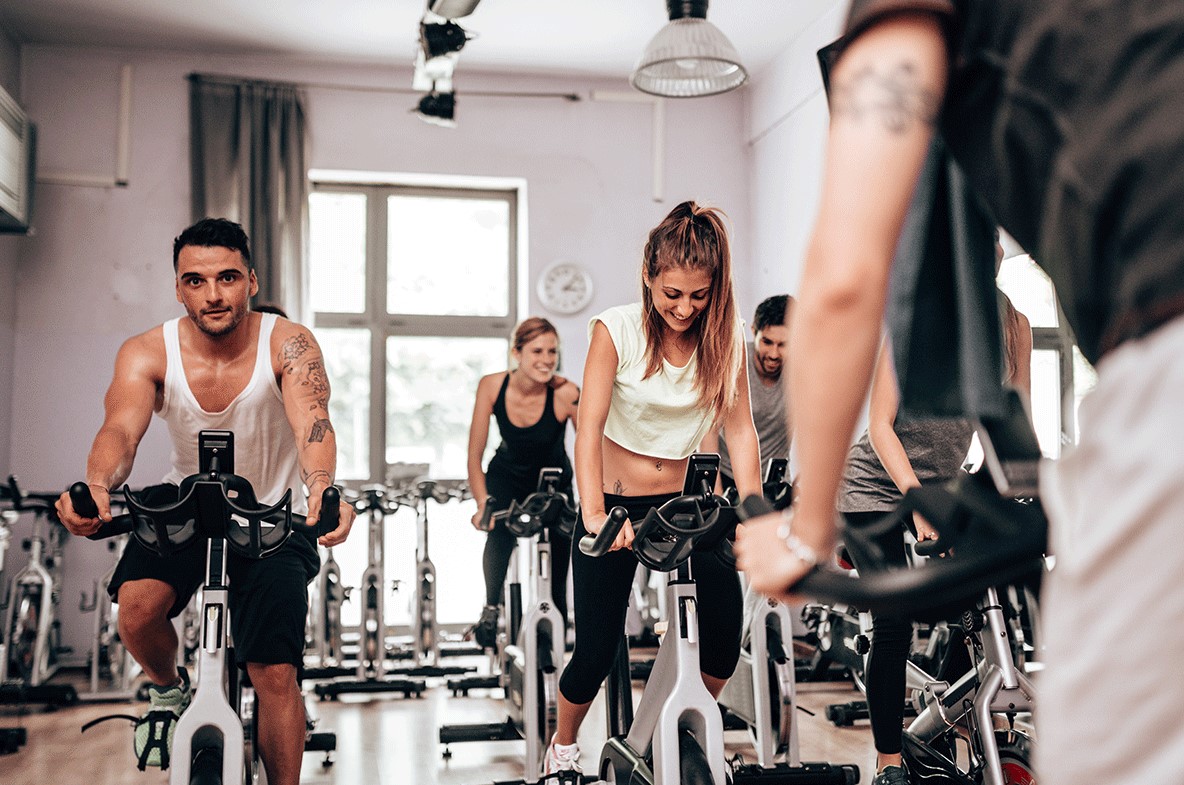
Many people want a cardio workout that improves stamina, supports fat loss and feels manageable on the joints. Running and jumping workouts can be effective, but they are not suitable or enjoyable for everyone. Indoor cycling offers an alternative that combines cardiovascular challenge with low impact movement.
For people searching for indoor cycling singapore, the benefit lies in how adaptable the workout can be. Riders can control resistance, manage pace and work at an intensity that matches their ability. This makes indoor cycling useful for endurance, fat loss support and joint friendly conditioning.
Indoor cycling builds endurance gradually
Endurance improves when the body performs sustained cardiovascular work over time. Indoor cycling classes are designed to keep riders moving through different phases, including warm up, climbs, intervals and recovery sections.
This repeated effort challenges the heart and lungs. Over time, riders may notice they can maintain effort longer, recover faster and feel less breathless during daily activities.
Endurance is not built overnight. Regular participation is what creates improvement. Indoor cycling provides a structured and motivating way to repeat cardio training.
Fat loss support comes from consistency
Indoor cycling can support fat loss because it increases energy expenditure and improves fitness. However, fat loss depends on overall lifestyle, including nutrition, strength training, sleep and daily activity.
Cycling classes can help by making cardio more enjoyable and easier to repeat. A person who attends consistently is more likely to benefit than someone who occasionally does an intense session and then stops.
The class environment can make consistency easier because participants follow a schedule and instructor-led structure.
Low impact movement protects long term participation
High impact workouts can be difficult for people with sensitive knees, ankles or hips. Indoor cycling reduces impact because the feet stay connected to the pedals and the bike supports body weight.
This can make cardio more accessible. People who dislike running or jumping may still be able to train hard on a bike.
That said, low impact does not remove the need for proper setup. Seat height, posture and resistance control all affect comfort.
Resistance adds strength endurance
Indoor cycling is not only about speed. Resistance creates muscular demand, especially in the legs and glutes. Climbing sections can improve strength endurance by challenging riders to push against heavier resistance.
This type of conditioning is different from traditional weight training, but it still supports lower body stamina.
For a complete fitness routine, cycling should be paired with strength training. Cycling improves endurance, while strength work supports muscle balance, posture and joint stability.
Classes improve pacing
Many people struggle to pace themselves during cardio. They may start too hard and burn out quickly, or stay too comfortable and avoid challenge. Indoor cycling classes help manage pacing through instructor cues and music.
The instructor guides when to increase resistance, when to speed up and when to recover. This makes the workout more structured and effective.
Pacing is important for endurance because it teaches riders how to sustain effort intelligently.
Indoor training fits busy Singapore lifestyles
Indoor cycling is convenient because it is not affected by weather, traffic or outdoor heat. Riders can attend a class, complete a structured workout and continue with their day.
This matters in Singapore, where humidity and rain can make outdoor cardio inconsistent. Indoor classes provide a reliable option.
A fitness environment such as True Fitness Singapore can support this by offering structured indoor cycling classes within a broader wellness setting.
Joint friendly does not mean posture free
Even though cycling is low impact, posture still matters. Riders should avoid rounding excessively, gripping too tightly or placing too much pressure through the shoulders. The core should stay engaged, and pedalling should feel smooth.
Good posture improves comfort and performance. It also helps reduce unnecessary strain during longer sessions.
New riders should take time to adjust the bike properly before class begins.
Recovery helps results continue
Indoor cycling can be demanding, especially during high resistance or high cadence sections. Recovery supports progress. Riders should hydrate, eat properly and allow rest between hard sessions.
If legs feel heavy or energy drops, the body may need a lighter day. Recovery is not a setback. It helps riders return stronger.
A smart routine balances cycling, strength, mobility and rest.
FAQ
Can indoor cycling help with fat loss if I do not enjoy running?
Yes. Indoor cycling can support fat loss by helping you burn energy and stay consistent with cardio. Nutrition and strength training should also be part of the plan.
Is indoor cycling suitable if I have ankle or knee sensitivity?
It may be more comfortable than high-impact workouts, but setup and resistance matter. Start gradually and seek guidance if discomfort continues.
Will cycling alone improve my full body fitness?
Cycling improves cardio and lower body endurance, but it should be balanced with strength training and mobility for complete fitness.
I get out of breath quickly in class. Should I reduce resistance or speed?
You can adjust both. Reduce intensity enough to regain control, then build gradually. The goal is sustainable effort, not struggling through the whole class.
Conclusion
Indoor cycling supports endurance, fat loss and joint friendly conditioning by combining structured cardio with low impact movement. It allows riders to work hard while controlling intensity.
For people in Singapore, indoor cycling can be a reliable and motivating way to improve fitness. When balanced with strength, nutrition and recovery, it becomes a powerful part of a sustainable routine.
