

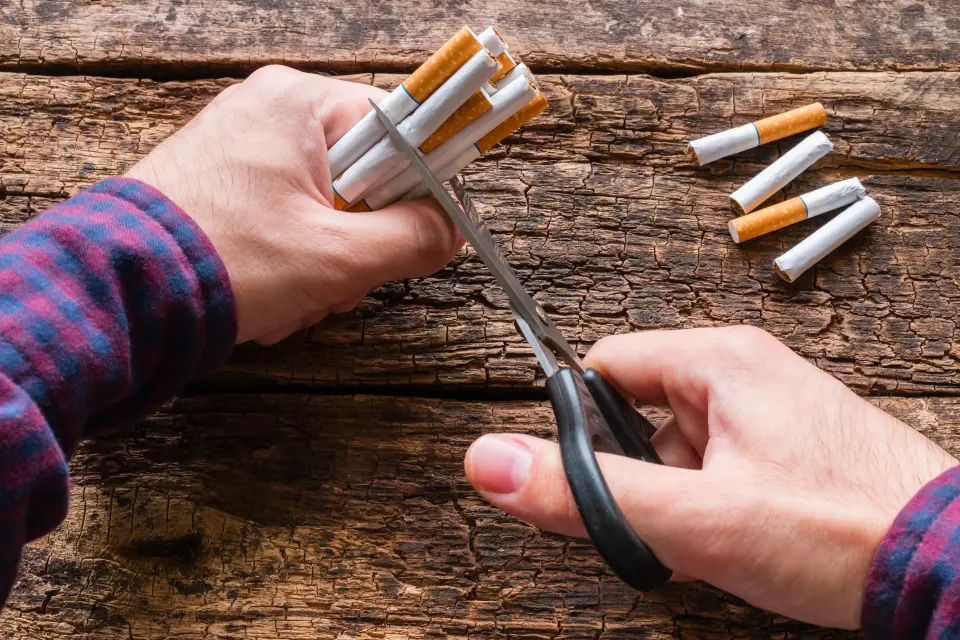
Nicotine is highly addictive, and quitting suddenly can lead to strong cravings, irritability, headaches, and difficulty concentrating. This is where Nicotine Replacement Therapy (NRT) can help. NRT is a proven, science-backed method that supports people through the quitting process by easing withdrawal symptoms and increasing the chances of success.
What Is Nicotine Replacement Therapy (NRT)?
Nicotine Replacement Therapy provides your body with a controlled, lower dose of nicotine, without the harmful chemicals found in tobacco smoke or chewing products. By reducing cravings and withdrawal symptoms, NRT helps you focus on breaking the behavioural and psychological habits linked to tobacco use.
Importantly, NRT does not replace one addiction with another. Instead, it allows you to gradually reduce nicotine dependence in a safer, more manageable way.
Common Types of NRT
NRT is available in several forms, allowing individuals to choose what suits their lifestyle and level of dependence:
- Nicotine patches deliver a steady dose of nicotine through the skin over 16–24 hours, helping control background cravings.
- Nicotine gum allows you to manage sudden urges by chewing when cravings strike.
- Nicotine lozenges dissolve slowly in the mouth, offering discreet and flexible craving control.
- Nicotine inhalers and nasal sprays act more quickly and can be useful for people with strong, immediate cravings.
Some people benefit from combining a long-acting option (like a patch) with a short-acting one (like gum or lozenges) for better control.
How NRT Helps You Quit Tobacco
NRT works by addressing the physical dependence on nicotine while you work on changing routines and triggers associated with tobacco use. Research shows that using NRT can nearly double the chances of quitting successfully compared to willpower alone.
Key benefits include:
- Reduced intensity and frequency of cravings
- Fewer withdrawal symptoms such as irritability and restlessness
- Greater confidence during the quitting journey
- Flexibility to tailor treatment to individual needs
Best Practices for Using NRT Successfully
To get the most out of NRT, it’s important to use it correctly and consistently:
- Start on your quit date
Begin NRT on the day you stop using tobacco completely to avoid mixed nicotine intake. - Choose the right strength
The dose should reflect how much and how often you used tobacco. Using too little nicotine can lead to breakthrough cravings. - Use it for long enough
Many people stop NRT too early. Most programmes last 8–12 weeks, with gradual dose reduction. - Combine with behavioural support
Counselling, quit-lines, or digital support programmes can significantly improve success rates when paired with NRT.
Is NRT Safe?
Yes. NRT has been widely studied and is considered safe for most adults when used as directed. While mild side effects such as skin irritation or mouth discomfort may occur, these are usually temporary and far less harmful than continued tobacco use. If you have underlying medical conditions or are pregnant, it’s best to seek medical advice before starting.
Conclusion
Nicotine Replacement Therapy is not a shortcut, but it is a powerful tool. When used correctly, it reduces the physical challenges of quitting tobacco, giving you the mental space to change habits and regain control. With the right NRT option, consistent use, and supportive strategies, quitting tobacco becomes not just possible, but achievable.
